Creative Essentials: Exploring Paint Tubes, Artist Brushes, and Colorful Palettes
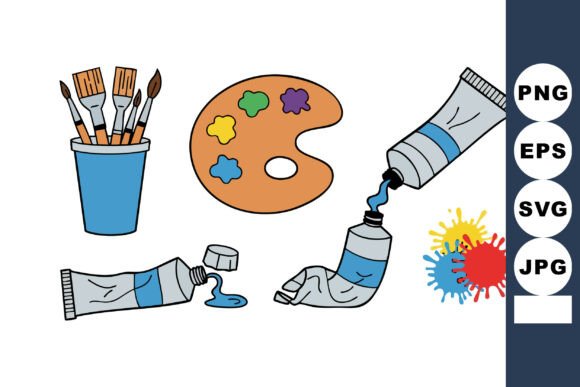
Whether you're a seasoned artist or just starting your creative journey, having the right tools can make all the difference. Paint tubes, artist brushes, and colorful palettes are foundational elements in the world of visual arts. Together, they form the backbone of painting techniques, enabling artists to bring their visions to life with precision and flair.
Understanding the Core Components
Each of these tools plays a unique role in the artistic process. Let’s break down what they are and why they matter:
- Paint Tubes: These are the containers that hold your chosen medium—be it oil, acrylic, or watercolor paint. They’re designed for easy squeezing and long-term storage, ensuring your colors remain vibrant and usable.
- Artist Brushes: Available in a variety of shapes and sizes, brushes are the primary tools for applying paint to a surface. The type of brush you choose can affect the texture, flow, and overall appearance of your work.
- Colorful Palettes: These surfaces—whether traditional wooden palettes or modern disposable ones—are where artists mix their colors. A well-organized palette can streamline the painting process and enhance color harmony.
Why These Tools Are Essential
Combining paint tubes, artist brushes, and colorful palettes gives artists the flexibility to experiment with color, texture, and technique. These tools are not just functional—they’re also symbolic of the creative process itself. Whether you're blending a subtle gradient or creating bold, expressive strokes, each element contributes to the final masterpiece.
Where Can These Tools Be Used?
The versatility of these tools makes them suitable for a wide range of applications. Here are just a few examples:
- Studio Art: Professional painters rely on high-quality brushes and well-stocked palettes to create detailed works.
- Classroom Projects: Students benefit from using accessible tools like acrylic paint tubes and synthetic brushes for learning basic techniques.
- DIY Crafts: Home decorators and hobbyists often use smaller palettes and finer brushes for intricate designs on furniture or fabric.
- Commercial Design: Graphic designers and illustrators may use physical tools to create original artwork before digitizing it for use in marketing or branding materials.
Who Benefits Most from These Tools?
From beginners to professionals, these tools are valuable across the board. Here’s a breakdown of who might find them most useful:
- Art Students: Learning to mix colors and control brushstrokes is essential for developing technique.
- Professional Artists: Depend on reliable materials to maintain consistency and quality in their work.
- Art Instructors: Often use these tools to demonstrate techniques and guide students through projects.
- Designers: May incorporate hand-painted elements into digital designs, adding a unique, organic touch.
Features and Characteristics to Consider
When selecting your tools, it's important to understand the features that can impact performance and usability:
- Packaging: Paint tubes should be durable and easy to squeeze. Look for resealable options to prevent drying out.
- Brush Quality: Natural bristles are ideal for oil and acrylic paints, while synthetic brushes work well with watercolors and inks.
- Palette Design: Some palettes come with wells for holding mixed colors, while others offer a flat surface for quick mixing and cleaning.
Choosing the Right Combination
Not all combinations of paint tubes, artist brushes, and colorful palettes will suit every project. Consider the following when selecting your tools:
- Medium: Are you working with oils, acrylics, or watercolors? Each medium has specific requirements for brushes and paint consistency.
- Style: If you prefer detailed brushwork, opt for fine-point brushes and a compact palette. For bold, expressive strokes, a larger palette and broader brushes may be better.
- Budget: While high-end tools offer superior performance, there are many affordable options available for beginners and casual users.
Practical Expectations and Limitations
While these tools are incredibly versatile, it's important to have realistic expectations about their use:
- Durability: Brushes can wear down over time, especially if not cleaned properly. Investing in a good brush cleaner or restorer can extend their lifespan.
- Storage: Paint tubes should be stored upright and sealed to prevent spills and drying. Some artists transfer leftover paint to airtight containers for longer use.
- Cleaning: Palettes can be difficult to clean after heavy use. Disposable palettes are a great option for those who want to avoid the hassle.
Real-World Applications
Let’s look at a few real-world scenarios where these tools shine:
- Portrait Painting: Artists often use a combination of fine brushes and a well-mixed palette to achieve realistic skin tones and intricate details.
- Abstract Art: Bold strokes and spontaneous color mixing are hallmarks of abstract painting. A large palette and sturdy brushes are essential for this style.
- Illustration: Many illustrators begin with hand-painted elements before scanning and editing them digitally, giving their work a unique texture and depth.
Enhancing Your Creative Process
Using the right tools can significantly enhance your creative process. Here are a few tips to get the most out of your paint tubes, artist brushes, and colorful palettes:
- Organize Your Palette: Grouping similar colors together can speed up the mixing process and reduce waste.
- Experiment with Techniques: Try dry brushing, glazing, or wet-on-wet techniques to see how your tools respond.
- Keep Brushes Clean: Rinse brushes thoroughly after each use and store them upright to maintain their shape.
What to Look for in a Quality Set
When purchasing a set of these essential tools, consider the following factors:
- Material Quality: High-quality pigments in paint tubes ensure better color vibrancy and longevity.
- Brush Variety: A good set should include a range of brush types, such as rounds, flats, and filberts.
- Palette Functionality: Look for palettes with non-stick surfaces and deep wells for holding paint.
Conclusion: A Foundation for Creativity
In the world of visual arts, paint tubes, artist brushes, and colorful palettes are more than just tools—they're the foundation of every artistic expression. Whether you're painting a landscape, designing a logo, or experimenting with mixed media, these elements provide the flexibility and control needed to bring your ideas to life. By understanding their features, applications, and limitations, you can make informed choices that enhance your creative process and help you achieve the results you envision.