How a Simple Piece of Brown Cardboard Paper Cut Out Can Elevate Your Creative and Professional Projects
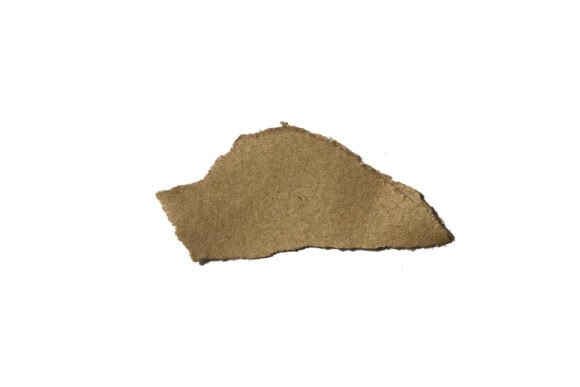
At first glance, a single irregularly torn piece of recycled brown paper might not seem like much. But for creators, designers, and everyday users looking for authentic textures and organic aesthetics, this simple element can be surprisingly powerful. Whether you're crafting for personal joy or building visuals for a client, the natural texture and earthy tone of this brown cardboard paper cut out offer a tactile, grounded feel that digital-only assets often miss.
What Exactly Is This Brown Cardboard Paper Cut Out?
This is not just any scrap of paper. It's a high-quality, irregularly torn piece of recycled brown paper, captured in sharp detail against a clean white background. The rough, jagged edges and visible paper fibers give it a raw, organic look that feels handcrafted and real. Available as a high-resolution PSD with a transparent PNG and a JPG version, it's designed for easy integration into a wide range of digital and print projects.
Where and Why People Use This Kind of Textured Paper Asset
The appeal of this texture lies in its versatility. Because it's isolated on a white background and comes in multiple file formats, it can be layered into digital designs, used in print materials, or even incorporated into educational or marketing visuals. The key reason people reach for this kind of resource is to add a sense of authenticity, warmth, and handcrafted charm to their work—without needing physical materials or a scanner.
Real-Life Uses for This Paper Cut Out
- Scrapbooking and Personal Journals – The texture adds depth to digital scrapbooks, especially for nature-themed or minimalist layouts.
- Graphic Design and Branding – Designers use it to create packaging mockups, rustic logos, or background textures that feel organic and eco-friendly.
- Marketing Materials – Marketers promoting handmade goods, sustainable products, or artisanal brands often layer this texture into their visuals to reinforce authenticity.
- Website and App Design – UI designers incorporate it subtly into backgrounds or buttons for a tactile, warm aesthetic that feels less digital and more human.
- Classroom and Educational Content – Teachers and educators use it in digital worksheets or presentations to create a more engaging, hands-on feel for students.
How Different Users Benefit from This Resource
Depending on your role or project type, this brown cardboard paper cut out can serve different functions. For example:
- Creative hobbyists appreciate the texture as a digital stand-in for real paper when they're experimenting with design but don’t have physical materials handy.
- Small business owners might use it in product mockups or promotional graphics to evoke a handcrafted, small-batch feel for their brand.
- Bloggers and content creators layer it into infographics or social media templates to break up flat digital visuals and add a grounded, organic touch.
- Freelance designers use it across client projects to provide a consistent, high-quality texture that's easy to blend and customize.
When to Use This Texture — and When to Skip It
While this texture is versatile, it’s not always the best fit. If your project leans modern, minimalist, or highly polished, this earthy tone and rough edge might clash. But if you're aiming for rustic, vintage, handmade, or eco-conscious themes, this brown paper cut out can become a go-to asset.
It works especially well in projects that benefit from a tactile feel — like wedding invitations, artisan product packaging, craft blogs, or sustainability campaigns. In contrast, tech-focused or corporate branding might want to avoid such a raw texture unless it's used very subtly.
Practical Tips for Using This Paper Cut Out Effectively
Here’s how to make the most of this texture in your own work:
- Layer it with transparency – Use it as a background overlay with reduced opacity to add subtle texture without overwhelming your design.
- Pair it with clean fonts – Balance the roughness of the paper with crisp, modern typography for a polished yet organic look.
- Customize the color – Since it comes in transparent and JPG formats, you can easily adjust the brown tone to match your brand palette using photo editing tools.
- Use it in print and digital – Whether you're designing a physical flyer or a website banner, this texture adapts well across formats.
What to Consider Before Downloading or Using This Resource
If you're thinking about using this brown cardboard paper cut out in your project, here are a few things to keep in mind:
- File compatibility – Make sure the software you use supports PSD, PNG, and JPG formats. Most major design tools do, but it’s worth checking if you're using a less common platform.
- Resolution and scaling – This texture is high-resolution, but if you plan to use it in large-format prints, confirm that the file size and DPI meet your needs.
- Usage rights – Always verify the licensing terms. Some resources are free for personal use but require a license for commercial applications.
- Consistency across assets – If you’re building a brand or template, ensure this texture matches other design elements in tone and style.
Final Thoughts: A Small Detail That Makes a Big Difference
In the world of digital design and creative projects, small details often make the biggest impact. This irregularly torn brown paper cut out may seem simple, but it’s a powerful tool for adding warmth, texture, and authenticity to your work. Whether you're a blogger designing a Pinterest graphic, a teacher creating a digital worksheet, or a small business owner building a brand identity, this kind of asset can help your visuals feel more grounded, thoughtful, and intentional.
And because it’s available in multiple formats with a clean white background, it’s not just beautiful — it’s practical. You can drop it into your project, adjust as needed, and get back to creating without getting stuck in technical hurdles. In a world full of sleek, digital-only visuals, sometimes the most effective design is the one that reminds us of the real, tactile world we live in.