Makeup Brushes with Different Shapes and Their Uses
Makeup brushes with different shapes are essential tools for achieving a flawless makeup application. Each brush is designed with a specific shape and function in mind, allowing for precision, blending, and control. Whether you're a makeup novice or a seasoned enthusiast, understanding the purpose of each brush can significantly enhance your routine and results.
Why Brush Shape Matters
The shape of a makeup brush directly affects how product is applied to the skin. From dense, flat brushes ideal for foundation to fluffy, angled brushes perfect for blending eyeshadow, each design serves a unique purpose. Using the right brush for the right task not only improves efficiency but also ensures that makeup looks smooth, even, and professional.
For instance, a flat, paddle-shaped brush allows for even distribution of liquid or cream foundation, while a small, tapered brush can precisely apply concealer under the eyes. Understanding these differences helps users make informed choices and avoid common makeup mishaps such as streaking or over-application.
Common Brush Shapes and Their Uses
- Flat Shader Brush: Ideal for applying cream or powder eyeshadows with precision. It can also double as a concealer brush for tight areas.
- Fluffy Tapered Brush: Designed for blending colors seamlessly, especially in the crease of the eye. It's a staple in any eyeshadow routine.
- Dense Round Brush: Perfect for applying liquid foundation with a stippling or buffing motion, leaving a smooth, airbrushed finish.
- Angled Brush: Often used for contouring the cheeks or defining the eyebrows. Its slanted edge allows for precise placement of product.
- Fan Brush: Useful for softening harsh lines or applying highlighter across the cheekbones with a light touch.
- Detail Brush: A small, firm brush used for precise application of eyeliner or lip color.
Having a set of makeup brushes with different shapes ensures you're equipped to handle every step of your makeup routine with ease and confidence.
Choosing the Right Brushes for Your Needs
When selecting brushes, it's important to consider your makeup style, skin type, and the products you use. For example, those who prefer cream-based products will benefit from denser brushes that can handle thicker formulas, while powder users may lean toward softer, fluffier brushes for a diffused effect.
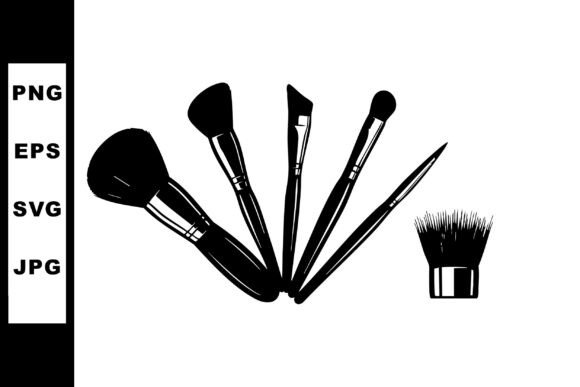
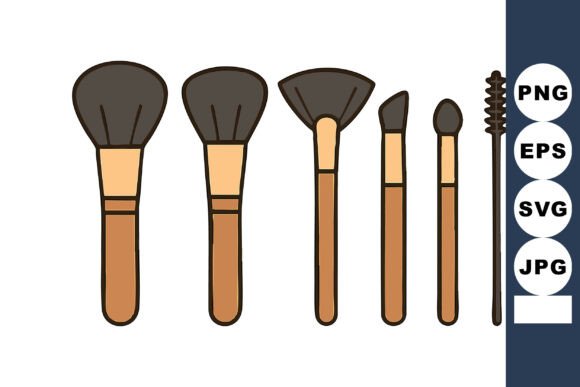
Additionally, the handle design and overall ergonomics play a role in usability. The makeup brushes with different shapes and this vector image showing six uniquely designed brushes highlight a clean, elegant aesthetic with brown and beige handles—ideal for professionals and hobbyists alike who appreciate both form and function.
How to Maintain Your Brush Collection
Proper care of makeup brushes with different shapes ensures longevity and optimal performance. Regular cleaning prevents product buildup and bacterial growth, which can lead to breakouts or irritation.
To clean brushes:
- Rinse the bristles under lukewarm water.
- Apply a gentle brush cleanser or mild shampoo.
- Gently swirl the brush in your palm or on a cleansing mat.
- Rinse thoroughly and reshape the bristles before laying flat to dry.
It's also wise to replace brushes every 1–2 years, depending on usage and wear. Over time, bristles can fray or become misshapen, affecting application quality.
Practical Applications and Real-World Benefits
Using the correct brush for each step of your makeup routine can save time and reduce product waste. For example, using a stippling brush for foundation instead of a sponge ensures less product absorption and a more even finish. Similarly, a fluffy blending brush can help achieve a soft, smoky eye in seconds.
Makeup brushes with different shapes also allow for creative experimentation. You can mix and match techniques—buffing, stippling, sweeping, and packing—to customize your look. Whether you're aiming for natural daytime makeup or a bold evening look, the right tools make all the difference.
Who Benefits Most from a Diverse Brush Set?
Anyone who wears makeup regularly can benefit from a well-rounded collection of brushes. Here's how different users might approach the topic:
- Beginners: May start with a basic set of 5–6 brushes covering the most common shapes for face and eye makeup.
- Professionals: Often invest in high-quality, specialized brushes tailored to specific techniques or products.
- Minimalists: Might opt for multi-use brushes that can perform several functions, reducing clutter and cost.
Regardless of experience level, understanding how makeup brushes with different shapes work helps users get the most out of their tools and products.
Where to Find Quality Brushes and Related Resources
When purchasing brushes, look for soft, synthetic bristles for liquid or cream products and natural fibers for powders. Reputable brands offer sets that include a variety of shapes, ensuring versatility and value.
Additionally, downloadable resources such as the vector image showing six makeup brushes with various shapes can be a helpful visual aid for makeup artists, educators, or designers. The ZIP file containing SVG, EPS, JPG, and PNG files offers flexibility for use in presentations, tutorials, or digital content creation.
Final Thoughts
Investing in makeup brushes with different shapes is a small but impactful step toward better makeup application. Each brush serves a purpose, and knowing how to use them correctly can transform your routine from frustrating to flawless.
Whether you're building your first kit or upgrading your current collection, prioritize brushes that align with your preferred makeup style and skin type. With the right tools in hand, you'll not only save time but also enjoy the process of creating beautiful, polished looks every day.